Photo by Pavel Danilyuk on Pexels
If a parent or spouse has died and you are holding a folder of paperwork you do not fully understand, you are in a common spot. Probate is the word people use for the legal process that follows, and it sounds heavier than it usually is. In Oklahoma, probate is a court-supervised process for validating a will, paying debts and taxes, and distributing what remains to the people entitled to it. That definition is simple. The experience of it depends on the family, the assets, and how well the paperwork was prepared.
Families in El Reno and across Canadian County meet probate in all kinds of situations: a farm that has stayed in the family for generations, a small business, a house in town, mineral interests, or a bank account that suddenly requires a court order to move. Here is what probate is, where it happens, what the court does, and when it makes sense to bring in a local attorney.
Probate in Plain English
Probate is a legal process in which a deceased person’s assets are distributed according to their will, or according to state law if no will exists. The court supervises the process so everything happens in order and on the record.
Another way to describe it: probate is the mechanism the court uses to validate a will when one exists, pay off the deceased person’s debts and taxes, and then pass the remaining assets to the right people. It exists to protect everyone involved. Creditors get a fair chance to make claims, heirs are identified, and the person handling the estate receives legal authority to act.
Why Oklahoma Requires Probate at All
- To authenticate the last will of the deceased person.
- To identify heirs, devisees, and legatees who are entitled to receive property.
- To give creditors a defined opportunity to make claims against the estate.
- To pay final debts and file taxes before anything is handed out.
- To transfer title to what is left so the family can actually use or sell it.
None of this is designed to be punitive. A house, a tract of land, or an account held in a name cannot quietly change hands without a documented chain of authority. Probate creates that chain.
Where Probate Happens in Oklahoma
Oklahoma probate is a district court process. Title 58 of the Oklahoma Statutes is the probate procedure title, and it sets out the court’s probate jurisdiction and venue, the determination of heirs, devisees, and legatees, and the rules for dispensing with regular proceedings in smaller estates. Because venue rules determine which county handles a case, families sometimes find the answer is not the county where they live but the county connected to the deceased person. A local attorney can confirm the right courthouse before anything is filed.

Photo by RDNE Stock project on Pexels
What Actually Happens During a Probate
The shape of a probate is fairly consistent from estate to estate, though the details vary.
- A petition is filed with the district court to open the estate.
- The court validates the will, if there is one, and confirms who is entitled to notice and inheritance.
- The court appoints someone to administer the estate, often called the personal representative or executor.
- Creditors are given notice and an opportunity to make claims.
- Assets are identified and accounted for.
- Debts and taxes are paid according to the law’s priorities.
- The remaining assets are distributed to heirs or beneficiaries.
- The estate is closed.
The paperwork is where most families feel the weight. Inventories, notices, accountings, and orders all have to line up, and one missed step can slow the whole estate down.
Does Every Oklahoma Estate Need Probate?
No. Probate is not automatic for every person who dies in Oklahoma, and while many wills do go through probate, other estates avoid it entirely. Whether a probate is necessary depends on what the person owned and how they owned it. Some property passes by beneficiary designation or by the terms of a trust without a court order. Other property, especially real estate titled in the deceased person’s name alone, usually needs a court process before it can be sold or retitled.
Oklahoma law also provides shortened paths for smaller estates. Title 58 addresses dispensing with regular proceedings in estates under $150,000, and one Oklahoma law firm describes probate as a process for estates with assets worth more than $50,000. Those figures are not interchangeable, and they do not answer every situation, because which assets count and how they are valued matters a great deal. If you wonder whether a simplified procedure fits your family, that is a question worth asking directly rather than guessing from a number you saw online.
How Long Probate Takes, and Why Nobody Should Promise a Date
Every estate has its own pace. A straightforward estate with clear title, cooperative heirs, and no disputes moves through the court much differently from an estate with a contested will, unresolved land issues, mineral interests, or a creditor claim that needs to be sorted out. Court schedules vary too. Any attorney who gives you an exact completion date before reviewing the assets is guessing. What a good attorney can do is map the steps, explain what is likely to slow things down, and keep the estate moving.
Probate and the Family Farm, Ranch, or Mineral Interest
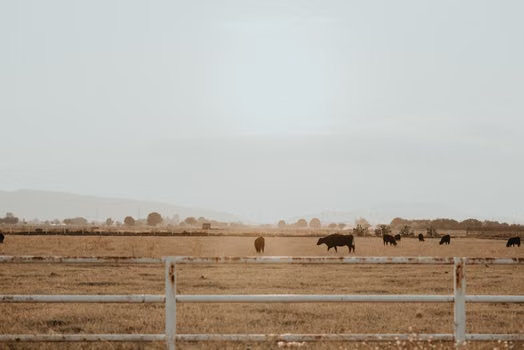
In Canadian County, probate often involves land. Agricultural property, family acreage, and mineral interests bring their own complications: older deeds with unclear descriptions, multiple generations on a title, oil and gas leases, and heirs who live in different states. These are not reasons to panic. They are reasons to have someone review the title work and the estate documents together so the transfer is done once and done correctly. Fogg & Cole Law works with families on exactly this mix of legal and financial detail, and attorney Kecia Cole’s CPA background means the tax and accounting side of an estate gets attention alongside the court filings.
What a Local Probate Attorney Actually Does
Hiring a probate attorney in El Reno does not mean handing over the family’s decisions. It means having someone who knows the local courthouse, knows what the judge expects, and knows where estates commonly stall.
- Reviews the will, deeds, accounts, and beneficiary paperwork to see what actually needs to go through probate.
- Prepares and files the petition and supporting documents.
- Handles notice to heirs and creditors on the timeline the court requires.
- Prepares the inventory and accountings.
- Coordinates with appraisers, accountants, title professionals, and other parties as needed.
- Explains each step in plain language so you can make informed choices.
The relief most families describe is not that the work disappears. It is that someone else is tracking the deadlines and telling them what comes next.
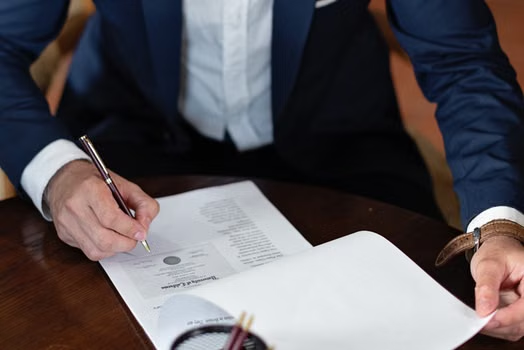
Photo by Mikhail Nilov on Pexels
Planning Ahead So Your Family Does Not Face This Alone
Probate is easier to handle when the paperwork is in order, and some estates can be structured so less property passes through the court at all. That is why estate planning and probate are really two halves of the same conversation. A clear will, properly recorded deeds, current beneficiary designations, and a trust where it fits can spare a family months of uncertainty.
If you are planning ahead rather than reacting to a loss, start with our estate planning services and bring your probate questions with you. Planning now is one of the most practical gifts you can leave the people you love.
When to Call
Call when someone has died and you are unsure whether probate is required. Call when a bank, title company, or buyer asks for letters or a court order you do not have. Call when the will is unclear, when an heir cannot be located, when there is land or minerals in the estate, or when family disagreement is starting to harden. Calling early is almost always calmer and less expensive than calling after a deadline has passed.
Fogg & Cole Law serves families in El Reno, Canadian County, and the surrounding Oklahoma communities. You do not need to know the legal vocabulary before you walk in. Bring the documents you have and the questions you are carrying, and the rest can be sorted out together.
Frequently Asked Questions
Do all wills go through probate in Oklahoma?
Not necessarily. Probate is the court-supervised process for validating a will, paying debts, and distributing assets, and many wills do go through it. Some property passes outside probate through beneficiary designations or trust terms, and smaller estates may qualify for shortened procedures. Whether a particular will must be probated depends on the assets involved and how they are titled.
Where is probate handled in Oklahoma?
Oklahoma probate is handled in district court, and Title 58 of the Oklahoma Statutes contains the probate procedure rules. Those rules cover the court’s probate jurisdiction and venue, which is why a case may belong in a specific county tied to the deceased person rather than the county where you live. An attorney can confirm the correct courthouse before a petition is filed.
Can I handle probate on my own in Oklahoma?
Families ask this often, and the honest answer is that it depends on the estate. Probate involves petitions, notices, creditor claims, inventories, accountings, and deadlines the court expects to be met correctly. A missed step can delay distribution or create liability. Many families choose guidance even when they are capable of doing parts of the work themselves.
What is the difference between the $50,000 and $150,000 figures?
Both numbers appear in Oklahoma probate discussions, but they come from different contexts. Title 58 addresses dispensing with regular proceedings in estates under $150,000, while one Oklahoma law firm describes probate as a process for estates with assets worth more than $50,000. Which assets count toward a threshold matters enormously, so confirm your situation with an attorney instead of relying on the number alone.
Do I need an attorney if the estate is small?
Small estates still involve court rules, creditor timelines, and title transfers. Oklahoma law offers shortened procedures for some estates under $150,000, but deciding whether yours qualifies means reviewing what the person owned and how it was titled. A short consultation with a local attorney can save months of guesswork and prevent a filing that has to be corrected later.
Cole & Fogg Law
421 S. Rock Island
El Reno, OK 73036